- CLUB JERSEYS
- COUNTRY JERSEYS
- KIDS JERSEYS
- RETRO JERSEYS
- ANIMATION / SPECIAL
- JERSEY JACKET
- FONT & BADGE (DTF Imported)
- LIVE VIDEO
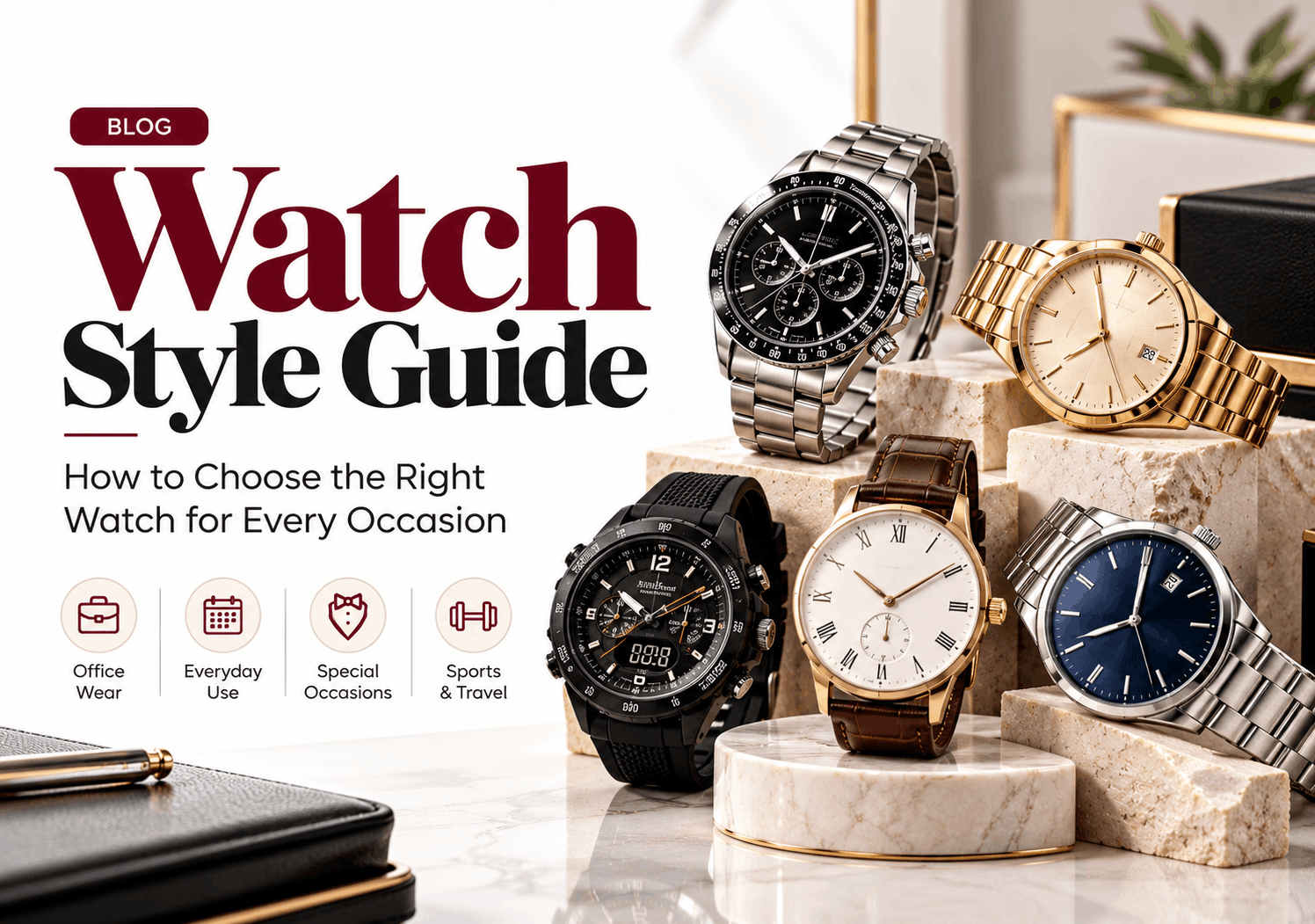
How to Choose the Right Watch for Every Occasion

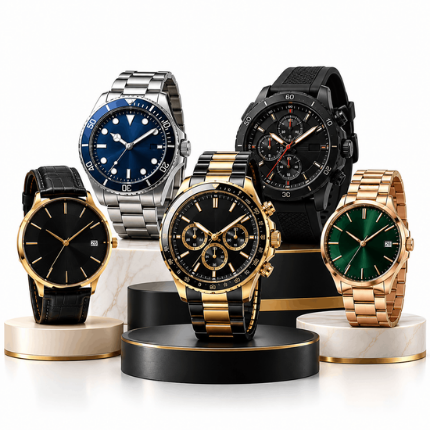
4. How to Match Your Watch with Your Outfit
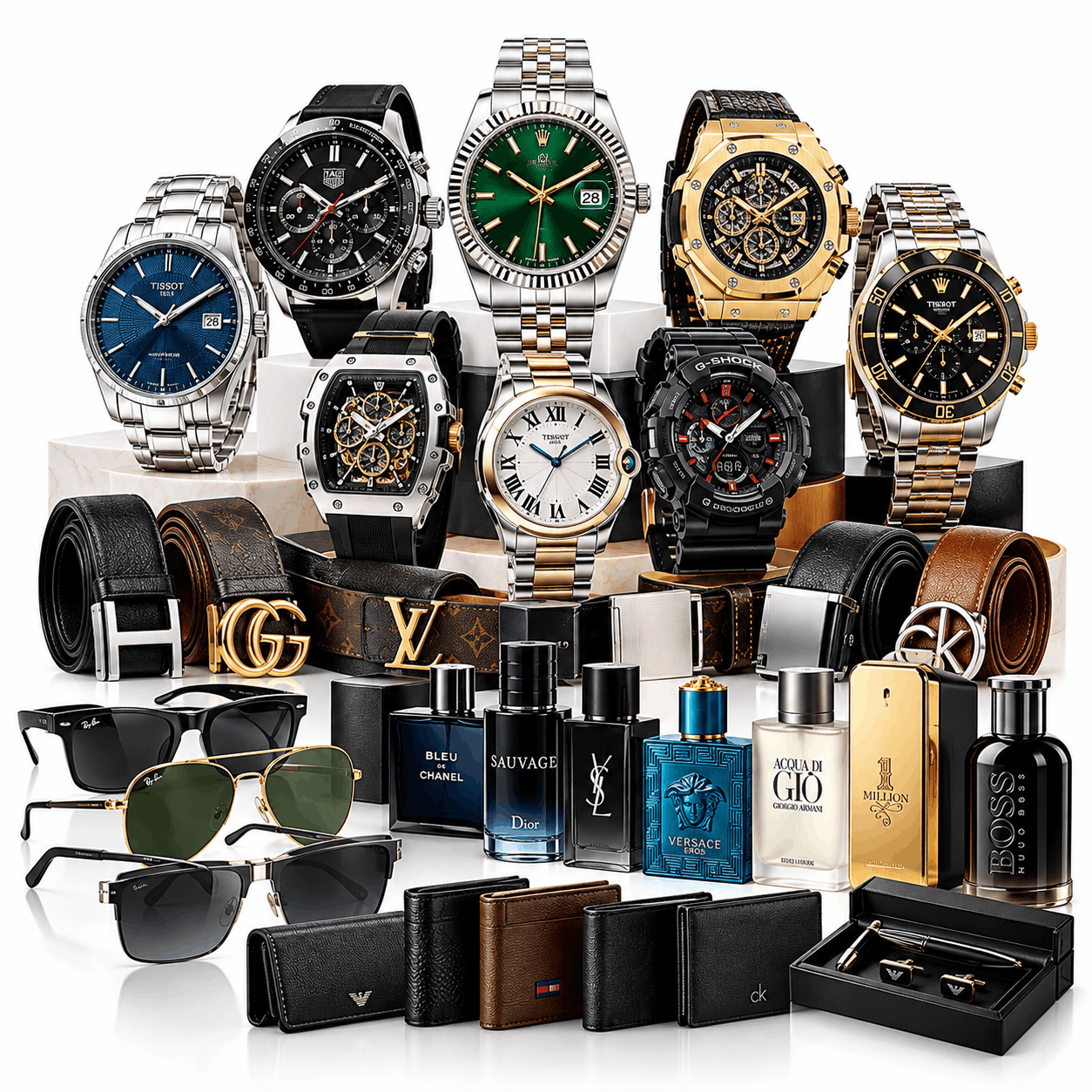
A watch should complement your clothing, not necessarily match every item exactly. The aim is to create a coordinated appearance through colour, proportion and overall style.
|
Outfit |
Watch style to consider |
Why it works |
|---|---|---|
|
T-shirt and jeans |
Everyday or sports watch |
Relaxed and versatile |
|
Office shirt and trousers |
Clean analogue or dress watch |
Neat and balanced |
|
Suit or formal wear |
Slim dress watch |
Understated and refined |
|
Sneakers and streetwear |
Sporty or statement watch |
Adds personality |
|
Traditional occasion wear |
Gold-tone or elegant metal watch |
Complements richer colours |
|
Outdoor clothing |
Rugged sports watch |
Practical and functional |
These are styling suggestions rather than strict rules. Personal taste, comfort and the specific design of the watch all matter.
Match the Watch to Your Clothing Style
If your wardrobe consists mainly of neutral colours, a black, silver or brown watch can fit easily into your existing outfits. If you enjoy brighter colours, a navy, green or burgundy dial may add a distinctive detail.
Think about the impression you want to create:
-
Minimal: Simple dial, restrained details and a slim profile.
-
Classic: Traditional dial, leather strap and balanced proportions.
-
Sporty: Bold markers, robust case and practical features.
-
Modern: Contemporary shapes, contrasting colours or a metal bracelet.
-
Statement: Distinctive finishes and eye-catching design elements.
5. Choosing the Right Watch Dial Colour
The dial is one of the first details people notice. Its colour can influence how versatile the watch looks and how easily it coordinates with your wardrobe.
Black Dial
Black dials have a strong, versatile appearance. They can work with casual outfits, darker clothing and many office looks. A black dial with a silver-tone case is a practical starting point for many wardrobes.
White or Silver Dial
These colours often create a clean, traditional look. They can work with business clothing, lighter outfits and formal styles. They are also a useful choice if you prefer an understated design.
Blue Dial
Blue can add colour without appearing overly bold. Navy and deep-blue dials pair well with denim, white shirts, grey clothing and many smart-casual outfits.
Gold or Champagne Dial
Warm metallic shades create a more decorative appearance. They can be a good choice for celebrations, evening wear and outfits featuring warm colours, provided the finish suits your personal taste.
If you are buying your first watch, choose a dial colour that works with most of your clothes. You can always explore brighter or more unusual designs later.
6. How to Find the Right Watch Size for Your Wrist
Watch size can change the way a design looks and feels. A watch that is too large may overhang the edges of your wrist, while a very small case may look different from the style you intended.
The correct size depends on more than the diameter printed on the product page. Case shape, lug-to-lug distance, thickness, strap width and your wrist proportions all contribute to the fit.
Victorinox+1How to Measure Your Wrist
-
Wrap a flexible measuring tape around your wrist, just behind the wrist bone.
-
Keep the tape comfortably snug without pulling it too tightly.
-
Record the circumference in centimetres or millimetres.
-
Compare your measurement with the watch's case dimensions and strap specifications.
-
If possible, try the watch on and check whether the case extends beyond your wrist.
A General Watch Size Guide
The ranges below are starting points, not fixed rules. Two watches with the same case diameter can fit differently because of their shapes and lug lengths.
Wrist circumference
Case diameter to explore
14–15 cm
Approximately 34–38 mm
15–16 cm
Approximately 36–40 mm
16–17 cm
Approximately 38–42 mm
17–18 cm
Approximately 40–44 mm
18 cm and above
Approximately 40–46 mm or more, depending on design
For a slimmer wrist, a compact case may look balanced and feel less bulky. For a broader wrist, a larger case can work well, especially for sporty designs. The best choice is the one that sits comfortably and looks proportionate on your own wrist.
Why Case Thickness Matters
Diameter is only one part of the equation. A thick watch may catch on shirt cuffs or feel heavy during long periods of wear. A slimmer case often works well for office and formal outfits, while a thicker sports watch may be appropriate for a more casual look.
When shopping online, check the case diameter, thickness and lug-to-lug measurement whenever these specifications are available.
7. Understanding Watch Strap Materials
The strap influences comfort, durability, appearance and how easily a watch fits into your everyday routine. Changing the strap can also change the character of a watch.
Leather Straps
Leather straps offer a classic, refined appearance. Black and brown are versatile choices for office wear and formal occasions. Leather can be affected by sweat, moisture and prolonged exposure to water, so it generally needs more careful handling.
Metal Bracelets
Stainless-steel bracelets are versatile and often suitable for daily use. They can look sporty, modern or formal depending on their links and finish. They may feel heavier than leather or fabric straps, and the bracelet should be adjusted properly for comfort.
Rubber and Silicone Straps
These straps are commonly used for sports and casual watches. They are generally easy to wipe clean and can be comfortable in warm weather. Their suitability for swimming depends on the watch itself, not only on the strap material.
Fabric and Nylon Straps
Fabric straps create a relaxed, lightweight look. They are useful for casual outfits and can offer a different appearance from leather or metal. Check the care instructions because some fabrics can absorb moisture or become dirty with frequent use.
Which Strap Colour Should You Choose?
-
Black: Works well with dark clothing, black shoes and many formal outfits.
-
Brown: Complements earthy colours, tan footwear and classic casual clothing.
-
Silver: A versatile metallic option for everyday and office wear.
-
Gold-tone: Adds warmth and works well as a statement detail.
-
Navy or other colours: Can bring personality to casual outfits and coordinate with your preferred colour palette.
You do not need to match every accessory perfectly. Aim for a coordinated look that feels natural rather than overly planned.
8. Quartz vs Automatic Watches: What's the Difference?
A watch's movement is the mechanism responsible for keeping time. Understanding the basics helps you choose a watch that suits your preference for convenience, craftsmanship and maintenance.
Quartz Watches
Quartz watches use an electronic movement regulated by a quartz crystal and are commonly powered by a battery. Some models use solar charging.
Advantages:
-
Generally offer good timekeeping accuracy.
-
Usually require relatively little routine maintenance.
-
Are available in a wide variety of styles and price ranges.
-
Can be convenient for people who want a watch that is easy to use.
Battery replacement intervals vary by model and usage. Follow the manufacturer's instructions rather than assuming every watch needs a battery at the same time.
Automatic Watches
Automatic watches use a mechanical movement that winds itself through the wearer's wrist movement. They do not rely on a conventional battery to power the movement.
Advantages:
-
Offer an appreciation of traditional mechanical watchmaking.
-
Have moving mechanical components that some enthusiasts enjoy.
-
Can be an interesting choice for people who value the engineering behind a timepiece.
Automatic watches may need winding when not worn, and their accuracy and servicing needs differ from those of quartz watches. They can also cost more to maintain, depending on the movement.
Which Movement Is Right for You?
Your preference
Option to consider
Easy everyday timekeeping
Quartz
Traditional mechanical craftsmanship
Automatic
A watch powered by light
Solar, if available
Minimal routine interaction
A suitable quartz or solar model
Interest in watch mechanics
Automatic or hand-wound mechanical
Neither movement is automatically the best for everyone. Consider how you will use the watch and how much maintenance you are comfortable with.
9. Watch Features: Which Ones Do You Actually Need?
Many watches include additional features, but more functions do not necessarily mean a better choice. Think about what will make your daily routine easier.
Date Display
A date window can be useful for everyday use, office work and travel. If you prefer a very clean dial, you may find a watch without a date display more appealing.
Chronograph
A chronograph adds stopwatch functionality. It can be useful for timing activities and gives a watch a more technical appearance. If you mainly need to check the time, it may be an optional feature rather than a necessity.
Alarm and Timer
Digital and some multifunction watches include alarms, countdown timers and other practical features. These can be useful for reminders, workouts and daily routines.
Multiple Time Zones
A second time zone or world-time display may be helpful if you travel frequently or regularly coordinate with people in different countries.
Backlight or Luminous Markers
These features can help you read a watch in low-light conditions. Their effectiveness depends on the design and the type of illumination used.
Before paying extra for a feature, ask yourself whether you will actually use it. A simple, readable dial may be more valuable to your daily routine than a collection of functions you rarely need.
10. Water Resistance: What the Rating Really Means
Water resistance is an important specification to check before buying or using a watch. Ratings such as 30 m, 50 m and 100 m are based on testing conditions and should not be interpreted as a guarantee that a watch can safely be used at that depth.
The table below is a broad guide. Actual suitability depends on the model, its condition and the manufacturer's instructions.
Wikipedia+1Marking
General guidance
30 m / 3 ATM
Generally intended for minor splashes under the manufacturer's stated conditions; not for swimming
50 m / 5 ATM
May suit some surface-water activities when the manufacturer explicitly permits them
100 m / 10 ATM
Often suitable for swimming and some water sports when specifically approved
200 m or a designated dive rating
Intended for more demanding water use according to the model's specifications
Important: Do not assume that a watch marked “30 m” can be taken underwater to a depth of 30 metres. Pressure ratings do not work as a simple real-world depth guarantee.
Also, water resistance can deteriorate as seals age or a watch is damaged. Avoid operating the crown or pushers underwater unless the manufacturer explicitly permits it. If you intend to swim or dive, check the official guidance for the exact model.
11. How to Choose a Watch for Men
A men's watch can be understated, sporty, traditional or bold. The best option depends on the wearer's wrist, wardrobe and preferred appearance rather than a fixed set of rules.
Classic and Minimal Watches
Simple dials and restrained detailing are useful for people who prefer timeless accessories. These designs can work with shirts, trousers, knitwear and many office outfits.
Sporty Watches
Sport-inspired designs can pair well with jeans, sneakers, polos and casual clothing. Look for a comfortable fit and the features needed for your activities.
Metal Bracelet Watches
Metal bracelets can provide a structured, modern appearance. Silver-tone options are versatile, while gold-tone or two-tone finishes can create a more distinctive look.
Bold Statement Watches
Large cases, detailed dials and contrasting colours can make a watch stand out. Check the proportions carefully, especially if you have a smaller wrist or wear fitted shirt cuffs.
When choosing a men's watch, focus on comfort, readability and how well the design works with your actual wardrobe.
12. How to Choose a Watch for Women
Women's watches are available in a wide range of case sizes, shapes, dial designs and strap materials. Some favour delicate, understated designs, while others prefer larger cases and statement styling.
Elegant Watches
Slim cases, clean dials and refined bracelets or straps can complement office clothing, dresses and formal outfits.
Minimal Watches
Simple designs are easy to coordinate with everyday clothing. Neutral dial colours and restrained details can make a watch suitable for frequent use.
Statement Watches
Decorative dials, distinctive shapes and metallic finishes can create a focal point in an outfit. They work particularly well when the rest of the accessories are kept balanced.
Casual and Sports Watches
For everyday activities, consider comfort, legibility and the ease of cleaning the strap. The watch should fit securely without restricting your wrist.
There is no single correct watch size or style for women. Choose according to wrist proportions, personal preference and the situations in which you plan to wear it.
13. How to Build a Small but Versatile Watch Collection
You do not need dozens of watches to cover different occasions. If you want more than one, consider building a small collection where each watch serves a different purpose.
Watch 1: Everyday Essential
Choose a comfortable, versatile design that works with your usual clothing. Neutral colours can make this your most frequently worn watch.
Watch 2: Formal Option
A cleaner, slimmer watch can complement office clothing, weddings and other occasions where you prefer a refined appearance.
Watch 3: Casual or Sports Style
A sporty design can add variety and may offer useful features for outdoor activities, depending on its specifications.
If you prefer a single watch, choose a versatile everyday model first. You can expand your collection later if your lifestyle or preferences change.
14. Watch Care and Maintenance Tips
Taking care of your watch helps preserve its appearance and can reduce avoidable wear. Different materials and movements require different types of care, so always check the manufacturer's recommendations.
Clean Your Watch Regularly
-
Wipe the case and bracelet with a soft, clean cloth.
-
Remove everyday dust and fingerprints gently.
-
Use water or cleaning products only if the watch's specifications and care instructions allow it.
-
Avoid immersing a watch simply because it looks sturdy.
Protect It from Scratches and Impacts
Store your watch separately from jewellery, keys and other objects that may scratch the case or crystal. Avoid dropping it or exposing it to strong impacts.
Even a durable watch can be damaged by a hard knock, and water resistance does not mean impact resistance.
Look After the Strap
Leather straps should generally be kept away from excessive moisture and sweat. Metal bracelets may benefit from occasional cleaning according to the manufacturer's guidance. Rubber and fabric straps should be cleaned using suitable methods for their materials.
Follow the Movement's Maintenance Requirements
Quartz watches may need battery replacement, while mechanical watches may require periodic servicing. Maintenance intervals vary, so refer to the manufacturer's instructions or an authorised service provider.
If you notice condensation beneath the crystal, persistent timekeeping problems or a damaged crown, seek professional advice rather than continuing to use the watch as normal.
15. Common Mistakes to Avoid When Buying a Watch
A watch may look attractive online but still be unsuitable for your needs. Avoid these common mistakes before making a purchase.
Mistake 1: Choosing only by appearance
A beautiful design is important, but comfort, dimensions and functionality matter too. Check the specifications before deciding.
Mistake 2: Ignoring case size
A watch that looks proportionate in a product photograph may look different on your wrist. Review the case diameter, thickness and lug-to-lug measurement.
Mistake 3: Buying features you do not need
Additional dials and functions can make a watch look impressive, but they may not provide much value if you never use them.
Mistake 4: Overlooking strap comfort
A heavy bracelet or stiff strap can become uncomfortable during a long day. Consider the material, fit and adjustment options.
Mistake 5: Assuming every watch is water-resistant
Never rely on appearance alone. Check the stated rating and manufacturer guidance before exposing a watch to water.
Mistake 6: Ignoring the seller and product details
When shopping online, review the seller's information, product specifications, warranty terms where applicable, shipping details and return or exchange policy.
Mistake 7: Spending beyond your budget
Set a comfortable budget before comparing designs. A suitable watch should fit your needs and finances without requiring you to pay for features you do not value.
16. How to Buy a Watch Online with Confidence
Shopping online gives you access to many different designs, but product pages can vary in the amount of information they provide. Before placing an order, use this checklist.
Your Watch Buying Checklist
Completed
0 of 8
The more clearly a product page explains its specifications and policies, the easier it is to make an informed decision. If an important detail is missing, contact the seller before ordering.
17. How to Choose a Watch as a Gift
A watch can be a thoughtful gift for a birthday, anniversary, graduation, wedding or other special occasion. The best choice depends on the recipient's taste and lifestyle.
Consider these questions before buying:
-
Do they usually wear classic, modern, sporty or statement accessories?
-
Do they prefer metal bracelets, leather straps or lightweight materials?
-
Is their wardrobe mostly formal, casual or a mixture of both?
-
Would they appreciate a simple dial or a more detailed design?
-
Is the watch easy to adjust, exchange or return if the fit is not right?
If you are unsure, a versatile design with a neutral dial can be a practical option. Check the seller's exchange policy before purchasing, particularly if you do not know the recipient's wrist size.
For a more personal gift, you can also consider the presentation, packaging and whether the watch comes with the documentation and warranty stated in the product listing.
18. Frequently Asked Questions About Choosing a Watch
Which watch is best for everyday use?
A comfortable watch with a readable dial, suitable case size and versatile colour is a good starting point. Stainless steel, leather and other strap materials can all work, depending on your lifestyle and preferences.
Which watch colour goes with most outfits?
Black, silver, white and navy are versatile options. The best colour depends on your wardrobe, other accessories and whether you prefer a subtle or distinctive appearance.
Is a leather strap better than a metal bracelet?
Neither is universally better. Leather often offers a classic, refined appearance, while metal bracelets can be versatile and durable. Choose based on comfort, climate, clothing and care requirements.
Are automatic watches better than quartz watches?
Not necessarily. Quartz watches are often convenient and accurate with relatively little routine maintenance. Automatic watches appeal to people who enjoy mechanical craftsmanship. Your priorities should guide the choice.
What is a good watch size for a small wrist?
A smaller or moderately sized case may provide a balanced fit, but case diameter alone is not enough. Check lug-to-lug distance and thickness, and try the watch on whenever possible.
Can I wear the same watch to the office and a party?
Yes. A versatile design with a neutral dial and a clean case can work for many occasions. You can adjust the rest of your outfit and accessories to make the overall look more formal or casual.
How often should a watch be serviced?
It depends on the movement, manufacturer and how the watch is used. Follow the recommended maintenance schedule for your particular model rather than applying one interval to every watch.
What should I check before buying a watch online?
Review the dimensions, movement, strap material, water-resistance rating, seller details, warranty terms and return policy. Confirm any important details that are missing from the listing before ordering.
19. Find Your Watch Style with CloneMarket
At CloneMarket, we believe that choosing accessories should be a simple and enjoyable experience. A watch can be a practical everyday essential, a finishing touch for a formal outfit or a statement piece that reflects your personal style.
Whether you prefer understated designs, bold sports-inspired watches, elegant metallic finishes or modern everyday styles, take time to explore different options and choose a design that fits your lifestyle.
Look beyond the appearance of a watch. Consider its comfort, specifications, features and the occasions on which you intend to wear it. When style and practicality come together, it becomes easier to find a watch you will enjoy wearing.
Explore the CloneMarket watch collection and discover styles that suit your everyday wardrobe, special occasions and personal preferences.
-